
Have you ever wondered why different creatures see the world in such unique ways? From the compound eyes of insects to the types of eyes of mammals, vision has evolved in remarkable forms. Each entry in our eye shape chart highlights how shape and structure serve specific survival needs.
Bottom line: The eye shape chart shows how evolution shaped vision for survival, from light-sensing cells to complex camera-type eyes.
In this guide, we’ll explore the main types of eyes found in nature. We’ll look at how each shape works, what makes it distinct, and how evolution shaped the way species view their surroundings.
When it comes to humans, eye shape does more than define appearance. It also affects eye health, vision performance, and even makeup techniques. For added support, consider these recommended eye supplements from Nature’s Bounty to keep your vision in top shape.
Eyes take many forms, each shaped by evolution for survival. As you review this eye shape chart, you’ll see how structure impacts vision. For example, some eyes excel at detecting motion, while others focus on clarity or low-light adaptation.
| Eye Type | Structure | Function | Advantages | Limitations | Examples |
|---|---|---|---|---|---|
| Simple Eyes (Ocelli) | Single lens, few photoreceptor cells | Sense light intensity | Energy-efficient, very light-sensitive | No image formation | Jellyfish, sea stars, some insects |
| Compound Eyes | Thousands of ommatidia | Detect motion, wide-angle vision | Excellent at tracking movement | Low detail, mosaic view | Insects, crustaceans |
| Camera-Type Eyes | Single lens, retina with rods and cones | Form sharp, colorful images | High resolution and depth | Needs complex brain processing | Humans, birds, octopuses |
| Mirror Eyes | Mirrors instead of lenses | Capture light in dark settings | Perfect for deep-sea vision | Limited outside dark waters | Spookfish, deep-sea fish |
| Pinhole Eyes | Small opening, no lens | Form dim, simple images | Low energy use | Low resolution in bright light | Nautilus |
| Stemmata | Single lens, more advanced than ocelli | Form basic images | Helps detect food and navigate | Still low detail | Caterpillars, insect larvae |
Across species, eyes differ in shape, size, and function. These changes reflect how each creature adapts to survive. As this eye shape chart shows, evolution has designed eyes for everything from sensing faint light to forming sharp, colorful images.
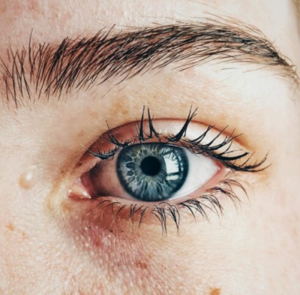
Simple Eyes (Ocelli): These small eyes appear in jellyfish, sea stars, and some insects. They cannot form images, yet they excel at detecting light and dark. Because they use little energy, they are highly efficient.
Compound Eyes: Found in insects like flies and bees, compound eyes contain many ommatidia. Each unit captures part of a scene, creating a wide, motion-sensitive view. Therefore, they are ideal for spotting predators or prey.
Camera-Type Eyes: Humans and many animals use camera-type eyes. A single lens directs light onto the retina, where rods detect dim light and cones capture color. Consequently, these eyes provide detailed vision and depth perception.
Mirror Eyes: Rare and specialized, mirror eyes – like those of the spookfish – use mirrors instead of lenses to gather light. This adaptation allows vision in the deep sea, where sunlight cannot reach.
Pinhole Eyes: Pinhole eyes, such as those of the nautilus, rely on a tiny opening instead of a lens. Light passes through to create a dim but focused image. As a result, this design balances simplicity with function.
Stemmata: Found in insect larvae, stemmata bridge the gap between simple and compound eyes. They form rough images that guide feeding and movement, helping young insects survive.
Ocelli are the most basic eyes, built with a single lens and just a few photoreceptor cells. In fact, they detect changes in light and support basic survival behaviors. Because they are energy-efficient, they help regulate circadian rhythms. However, they cannot form detailed images, limiting environmental awareness.
Compound eyes consist of many ommatidia, each acting as a visual unit. In addition, this structure provides panoramic vision and rapid motion detection. As a result, insects and crustaceans rely on them to spot predators and prey quickly. Still, compound eyes have low resolution and cannot capture fine detail.
Camera-type eyes use a single lens to focus light onto a retina packed with rods and cones. This design produces sharp, colorful, three-dimensional images. Consequently, humans and many animals benefit from high-resolution sight and depth perception. Yet, these eyes demand more energy and advanced brain processing to function.
Mirror eyes are rare and specialized, using reflective surfaces instead of lenses. They capture every bit of light in deep-sea habitats, giving creatures like the spookfish an edge in darkness. Although perfect for low-light survival, they are not useful in bright or shallow environments.
Pinhole eyes rely on a tiny opening rather than a lens. Light passes through to form a dim, basic image. While this structure is simple and energy-efficient, vision is blurry and struggles in changing light. For example, the nautilus uses pinhole eyes to navigate its environment effectively.
Stemmata are found in insect larvae such as caterpillars. They are more advanced than ocelli but less complex than compound eyes. As a result, stemmata can form rough images that help with feeding and movement. However, they still lack detail and cannot match the versatility of compound eyes.

The story of eye evolution shows how life adapts over time. As our eye shape chart suggests, vision began with simple light sensors and gradually developed into complex structures like camera-type eyes. Each stage reflects how species adjusted to survive in changing environments.

It all started with cells that could tell light from dark. Because they provided a survival advantage, organisms used them to move toward light or avoid danger. These basic sensors laid the foundation for all future eye development.
Next came pigment cups, clusters of light-sensitive cells lined with dark material. As a result, animals could sense the direction of light more clearly, which improved navigation and survival chances.
With time, a lens formed over the pigment cup, creating simple eyes. Then, these ocelli could detect direction and brightness more precisely. Even today, jellyfish and insects still rely on this design.
Insects and crustaceans developed compound eyes with many ommatidia. Consequently, they gained wide fields of vision and the ability to detect rapid motion – perfect for spotting threats or prey.
Later, camera-type eyes appeared in vertebrates and mollusks like octopuses. A single lens directed light onto the retina, where rods captured dim light and cones detected color. Therefore, animals gained sharp, detailed sight and depth perception.
Some species evolved highly specialized eyes. Mirror eyes, found in deep-sea fish, used reflective surfaces to gather scarce light. Meanwhile, pinhole eyes – like those in the nautilus – used a small opening to create basic images. Both designs show nature’s creativity in extreme conditions.
As species spread into new environments, eyes evolved to fit different needs. For instance, some animals gained ultraviolet vision, while others developed heat detection. This adaptive radiation explains the incredible diversity displayed in our eye shape chart.
Maintaining eye health is equally important for humans. Support your vision withEyeFortin. You can also explore Clear Crystal Vision, a natural supplement that helps strengthen and protect eyesight.

Q: What is the difference between simple eyes and compound eyes?
A: Simple eyes (ocelli) use one lens with a few photoreceptors. They detect light but cannot form clear images. In contrast, compound eyes – found in insects – contain many ommatidia, giving them wide vision and strong motion detection.
Q: How do camera-type eyes stand out from other eye types?
A: Camera-type eyes use a lens to focus light on a retina filled with rods and cones. As a result, they provide sharp images, depth perception, and color vision. However, they require more energy and brainpower than simpler eyes.
Q: Why are mirror eyes considered unique?
A: Mirror eyes replace lenses with reflective surfaces, allowing creatures like spookfish to see in near-total darkness. Because they work best in low light, they are rare and highly specialized.
Q: What advantage do compound eyes give insects?
A: Compound eyes let insects detect fast movement from many directions. Consequently, they can escape predators and track prey more effectively. Although they lack detail, their wide coverage ensures survival.
Q: Are stemmata a transitional stage between eye types?
A: Yes. Stemmata are more advanced than ocelli but simpler than compound eyes. For example, caterpillars use stemmata to form rough images that guide feeding and movement. They highlight gradual steps in eye evolution.
Across species, eyes have evolved into remarkable forms, each designed for survival. Simple eyes sense light changes. Compound eyes detect motion across wide angles. On the other hand, camera-type eyes deliver sharp images, depth, and color.
Meanwhile, mirror eyes help deep-sea fish thrive in darkness. Pinhole eyes provide basic vision with minimal complexity. Stemmata guide insect larvae with simple images. Together, these designs highlight the adaptability of vision throughout evolution.
By studying this eye shape chart, we gain insight into both the natural world and our own vision. Nature proves there is no single way to see – only the best way for each species to survive and thrive.
Concerned about digital screens and modern eye strain, explore our guide on computer glasses.