
It happens more often than people admit. You reach for your eye drops, use them, and only afterward notice the expiration date has passed. At that moment, one question matters most: is using expired eye drops dangerous?
Expired eye drops can lose effectiveness and, in some cases, increase the risk of irritation or infection. The risk depends on the type of drop, how long it’s been open, and how it was stored.
Below, we’ll explain what actually happens when eye drops expire, how long they’re safe after opening, and what to do if you’ve already used them.
Bottom line: Don’t take chances with expired eye drops – protect your vision by using only safe, unexpired products and replacing old bottles promptly.
Clear Crystal Vision offers a natural approach to maintaining eye health. Check it out here.
Yes, all eye drops, including ofloxacin, have an expiration date. Eye drop expiration dates indicate the period during which the drops are most effective. Using them beyond this date can reduce efficacy and pose risks to your eyes. But how long do eye drops last before they expire?
Typically, eye drops last for several months to a year after opening. However, it’s essential to follow the instructions provided on the packaging to ensure you’re not using expired eye drops.
If you’re wondering about the difference between eye drops and contact solution, including whether it’s safe to use contact solution as eye drops, this article explains it clearly.
When eye drops expire, several changes can occur, leading to potential risks:
Is it okay to use expired eye drops? The short answer is no. Using expired ofloxacin eye drops poses risks such as:
Using expired products can make redness worse, which is why fresh, properly stored eye drops for red eyes are a safer option when irritation appears.
Safe eye-drop use is only one part of protecting your eyes. See the complete routine for keeping your vision clear and comfortable daily.
 While the eye drop expiration date is a good indicator, most eye drops last about 28 days after opening. However, avoid using eye drops past their expiration date to ensure safety and effectiveness.
If you wear contacts, using the wrong type of drops can cause irritation or damage lenses. To avoid that, see our guide on eye drops for contact lens users and learn which options are safest for daily use.

Here’s a comparison of expired vs. unexpired ofloxacin eye drops:
| Aspect | Unexpired Ofloxacin Eye Drops | Expired Ofloxacin Eye Drops |
|---|---|---|
| Efficacy | High potency, effective treatment | Reduced potency, ineffective treatment |
| Safety | Sterile, low contamination risk | Higher risk of contamination |
| Side Effects | Minimal side effects | Increased risk of irritation and allergies |
| Infection Control | Effective at eliminating bacteria | Ineffective, risk of infection |
| Vision Impact | Protects vision health | Potential for vision damage |
Expired eye drops, including ofloxacin, should be disposed of properly to avoid health and environmental risks.
Does ofloxacin expire?
Yes, it does. In fact, eye drop expiration is crucial to track as expired ofloxacin may lose its potency and pose health risks.
Is it okay to use expired eye drops?
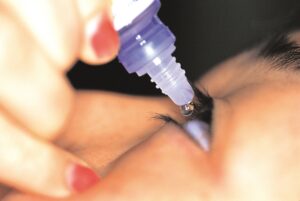 No, using expired eye drops is not recommended due to reduced effectiveness and contamination risks.
How long do eye drops last after opening?
Most eye drops last about 28 days after opening. Therefore, always check the expiration date and storage instructions.
What should I do if I accidentally use expired eye drops?
Monitor for irritation or worsening symptoms and contact a healthcare provider if necessary.
Where can I safely dispose of expired eye drops?
Utilize pharmacy take-back programs, community disposal events, or follow the household disposal method.

Ultimately, expired eye drops should never be considered a safe option. Even if the bottle looks fine and the liquid appears unchanged, there are hidden risks that make continued use dangerous. Over time, the ingredients can lose potency, which means they may no longer treat your condition effectively. More importantly, preservatives can break down, leaving the drops vulnerable to bacterial contamination. As a result, what once was a helpful solution can become a serious health hazard.
Moreover, using expired eye drops can lead to symptoms like burning, redness, and blurred vision. In some cases, it could even worsen an existing infection or introduce new complications. Instead of risking damage to your eyes, it’s always wiser to replace the drops once they pass their expiration date. Not only does this ensure proper treatment, but it also helps protect your long-term vision health.
Therefore, make it a habit to check expiration dates regularly. Additionally, store your eye drops as directed and avoid using any that have changed in color or smell. If you’re unsure, consult a pharmacist or eye care provider. In short, expired eye drops offer little benefit and carry unnecessary risk—fresh, unexpired drops are the safest and most effective choice for your eyes.